

Why Packaging Automation Systems Are Essential for Modern Businesses?

In the fast-paced landscape of modern business, efficiency and accuracy are paramount. Packaging automation systems have emerged as critical tools for companies aiming to streamline their processes. These systems enable businesses to enhance productivity while reducing labor costs. The integration of automation in packaging not only speeds up the production line but also minimizes human errors.

As consumers increasingly demand faster shipping and better quality, companies must adapt. Packaging automation systems offer a solution to meet these demands efficiently. They can handle various packaging formats, adjusting to different products seamlessly. This flexibility allows businesses to respond quickly to market changes.

Yet, adopting packaging automation systems is not without challenges. It requires a significant investment and a shift in operational strategies. Companies must ensure proper training for staff to maximize these systems' potential. Reflecting on these aspects can help businesses weigh the benefits against the hurdles they might face.
Why Packaging Automation Systems Are Essential for Modern Businesses?

The Definition and Overview of Packaging Automation Systems

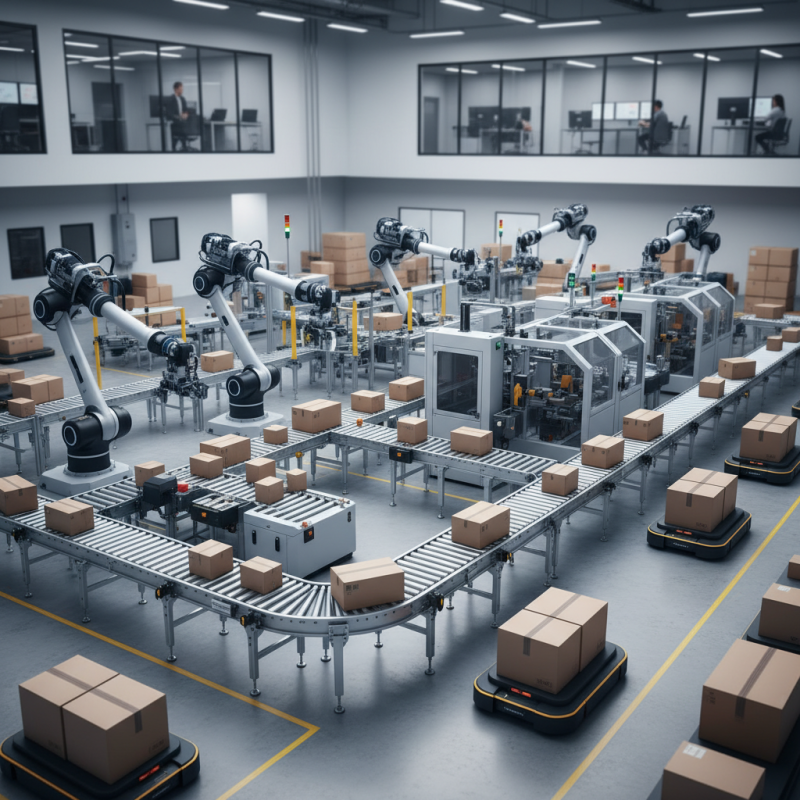
Packaging automation systems are transforming how businesses operate. These systems streamline processes, enhance efficiency, and reduce labor costs. They automate tasks like filling, sealing, and labeling, ensuring consistency and accuracy. With rising consumer demands, these systems help companies keep pace without sacrificing quality.

The definition of packaging automation systems revolves around machines that carry out packaging tasks automatically. They can be integrated into existing production lines or designed as standalone units. Many businesses find that automation eliminates the risk of human error. This leads to fewer product returns and higher customer satisfaction. However, some companies may struggle with the upfront investment. It's a significant decision that requires careful consideration.

While automation offers profound benefits, it's not without challenges. Training staff to operate new systems can be time-consuming. Additionally, some older equipment may not easily integrate with the latest technology. This prompts a reflection on the balance between innovation and existing practices. Organizations must remain flexible and adapt to the changing landscape.
Key Benefits of Implementing Packaging Automation in Businesses

Businesses today face increasing consumer demands. Packaging automation systems can help meet these challenges effectively. These systems streamline the packaging process, enhancing efficiency. They reduce labor costs and minimize human errors. Automated systems can also adapt to varying product sizes and shapes. This flexibility is crucial for modern manufacturing.

Investing in packaging automation leads to consistent quality and faster production times. Products are packaged quickly and uniformly, improving customer satisfaction. Moreover, these systems provide crucial data for better decision-making. Tracking production metrics can lead to informed adjustments and improvements. Yet, some companies hesitate due to initial costs.

Balancing automation benefits with upfront investments can be tricky. It’s important for businesses to weigh long-term gains against short-term expenses. Careful planning is vital. Training staff to work alongside automated systems can be a challenge as well. Adopting these technologies should involve a thoughtful approach, focusing on sustainability and operational goals.

Factors Influencing the Adoption of Packaging Automation Technologies

The adoption of packaging automation technologies is driven by several critical factors. Companies increasingly seek efficiency. According to a recent industry report, 78% of businesses report cost savings after implementing automated solutions. Reducing labor costs and minimizing errors are essential benefits. Data shows that manual packaging processes have a 20% higher chance of mistakes. This can lead to increased waste and customer dissatisfaction.

To ensure a successful transition to automation, understanding specific needs is vital. Evaluate current packaging processes carefully. Identify bottlenecks that automation could resolve. The right technology enhances productivity and meets customer demands effectively. Ensure employee training accompanies new systems. This leads to smoother integration and maximizes the benefits of automation.

Flexibility is another key factor in the adoption of packaging technologies. As markets evolve, packaging needs change. A versatile automated system can adapt to different product sizes and styles. Companies must remain agile to respond to these shifts. Research indicates that businesses with adaptable packaging solutions can increase their market competitiveness by up to 30%. Invest in technologies that offer scalability and customization to stay ahead in a dynamic market.

Challenges Faced by Businesses in Packaging Automation Integration

Integrating packaging automation systems into modern businesses presents significant challenges. Many companies face issues related to existing workflows. Transitioning to automated systems can disrupt daily operations. Training staff to use new equipment demands time and resources. Without proper training, employees may feel overwhelmed. This can lead to operational delays and errors in packaging.

Moreover, the high initial cost of automation is a concern. Businesses may hesitate to invest without a clear return on investment. Additionally, compatibility with legacy systems poses a hurdle. New equipment must seamlessly integrate with older technologies. This requires careful planning and testing. Often, businesses find themselves stuck in a cycle of indecision. Identifying the right solutions can be daunting without expert guidance.

Data security is another critical issue. Automated systems collect and process large amounts of information. Ensuring this data remains secure requires robust cybersecurity measures. However, many companies lack the necessary expertise to implement these safeguards. Furthermore, the fast-paced nature of technology can render systems obsolete quickly. Companies need ongoing support to stay current and effective in their automation strategies.

Why Packaging Automation Systems Are Essential for Modern Businesses? - Challenges Faced by Businesses in Packaging Automation Integration

Challenge Impact on Business Potential Solutions
High Initial Costs May deter businesses from adopting automation Leasing options, phased implementation
Integration with Existing Systems Incompatibility issues disrupt operations Consult with system integrators, custom software solutions
Training Employees Resistance to change, lower productivity during transition Comprehensive training programs, ongoing support
Maintenance and Downtime Can halt production and lead to financial loss Regular maintenance schedules, 24/7 support
Scalability Issues Limited growth potential hampers business expansion Choose flexible systems designed for scaling

Future Trends in Packaging Automation Systems for Modern Enterprises

Why Packaging Automation Systems Are Essential for Modern Businesses?

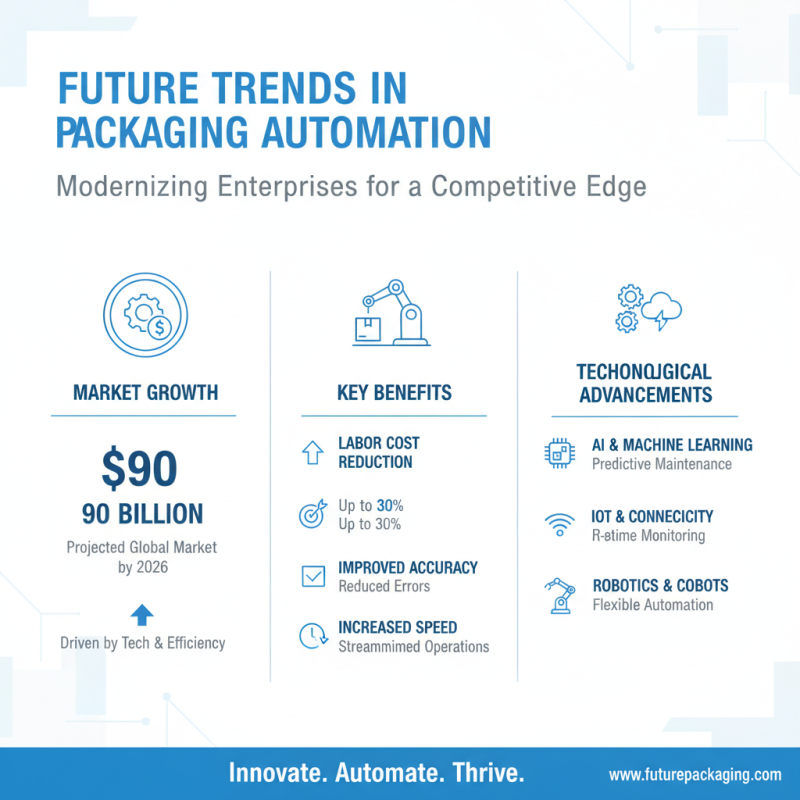
As modern enterprises navigate a rapidly evolving marketplace, packaging automation systems play a crucial role in enhancing efficiency. Industry reports indicate that the global packaging automation market is projected to reach $90 billion by 2026, driven by technological advancements and increasing demand for streamlined operations. Companies that embrace innovation can reduce labor costs by up to 30% while improving packaging accuracy and speed.

Future trends indicate a rise in smart packaging solutions. These solutions incorporate IoT technology for real-time monitoring. Enhanced data analytics help businesses predict maintenance needs, minimizing costly downtimes. However, adopting these systems requires thorough training and adjustment from existing workflows, which can be challenging. Employees need time to adapt to new technologies.

Tips: Invest in employee training to ensure a smooth transition. Regularly assess system performance to identify areas for improvement. Implementing automated packing lines can enhance workflow, but not every business is ready for this leap. A gradual integration approach could yield better results. Balancing automation with human oversight is essential for optimal efficiency.