How to Choose the Best Vision Inspection Systems for Quality Control?
Selecting the right vision inspection systems for quality control is crucial for manufacturing success. According to Dr. Emily Thompson, a leading expert in machine vision technology, “The right system can transform product quality and efficiency.” Her insights emphasize the importance of understanding different systems and their applications.
Vision inspection systems are used across various industries. These systems enhance accuracy and speed in detecting defects. However, choosing the best system can be challenging. Companies must consider factors such as product type and production volume. It’s not just about finding a system; it’s about finding the right fit.
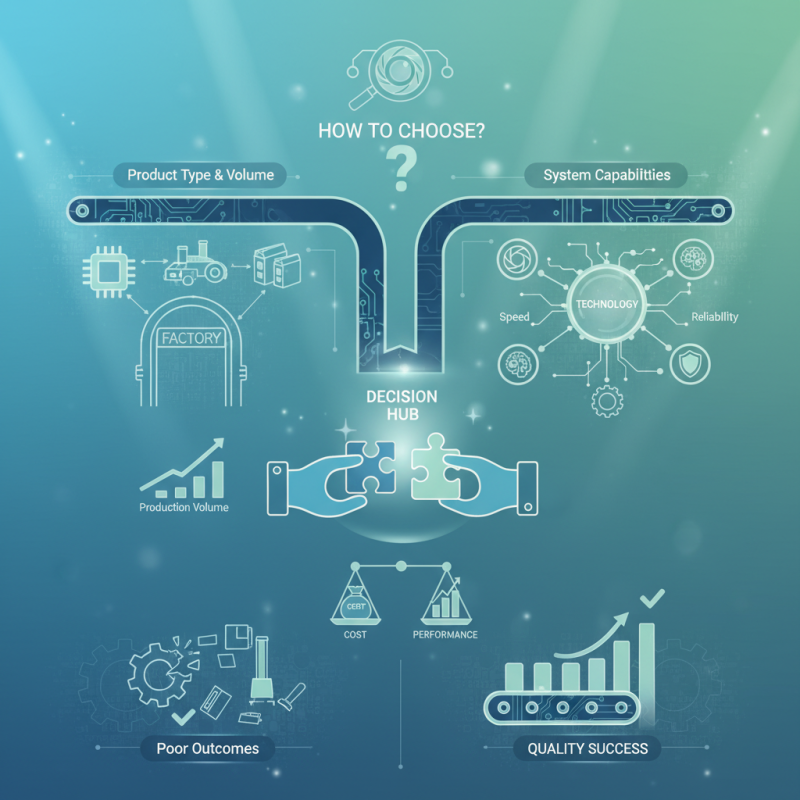
Many manufacturers overlook the specifics of their needs. They may prioritize cost over performance or reliability. This can lead to poor outcomes and wasted resources. A reflective approach is necessary to ensure sustainable quality improvements. In this evolving landscape, making informed choices about vision inspection systems is more important than ever.
Understanding the Importance of Vision Inspection Systems in Quality Control
Vision inspection systems play a crucial role in maintaining quality control across various industries. These systems utilize advanced imaging technology to detect flaws and ensure product consistency. They offer real-time analysis, enhancing efficiency and reducing human error. However, their effectiveness hinges on proper implementation and understanding.
Choosing the right system requires expertise. It's important to assess specific needs, including production speed and product complexity. Not all systems are created equal. Some may excel in handling simple tasks but struggle with intricate designs. This variability can lead to critical oversights. Companies must consider their unique circumstances to avoid costly mistakes.
Moreover, integrating these systems into existing workflows can present challenges. Training staff and adapting processes are often necessary. Resistance to change may occur. Investing time and resources into user education is vital. By fostering a culture of continuous improvement, businesses can better harness the benefits of vision inspection technology, ultimately enhancing product quality and customer satisfaction.
Key Features to Look for in Vision Inspection Systems
Selecting the right vision inspection system is crucial for effective quality control. Companies can optimize their processes by understanding the key features to look for. One vital aspect is image resolution. A higher resolution allows for detailed inspections, helping to identify even the smallest defects. According to industry data, a system with resolution above 5 megapixels can improve defect detection rates by up to 30%.
Another important feature is lighting options. Different products require specific lighting conditions for accurate inspection. Systems with adjustable lighting can enhance defect visibility. This adaptability is critical, especially in environments with varying product types or surfaces. Reports indicate that proper lighting can lead to a 20% increase in inspection accuracy.
Tips: Evaluate the system's adaptability to your existing workflow. Trying out demo systems can provide insights into their real-world performance. Involve your quality control team in the selection process, as their input can highlight specific needs and potential challenges.
Lastly, consider software capabilities. Advanced software with machine learning can enhance inspection efficiency over time. It can adapt to new defects and improve consistency. Some systems struggle to integrate seamlessly, so check user reviews to understand potential drawbacks.
Evaluating Different Types of Vision Inspection Technologies
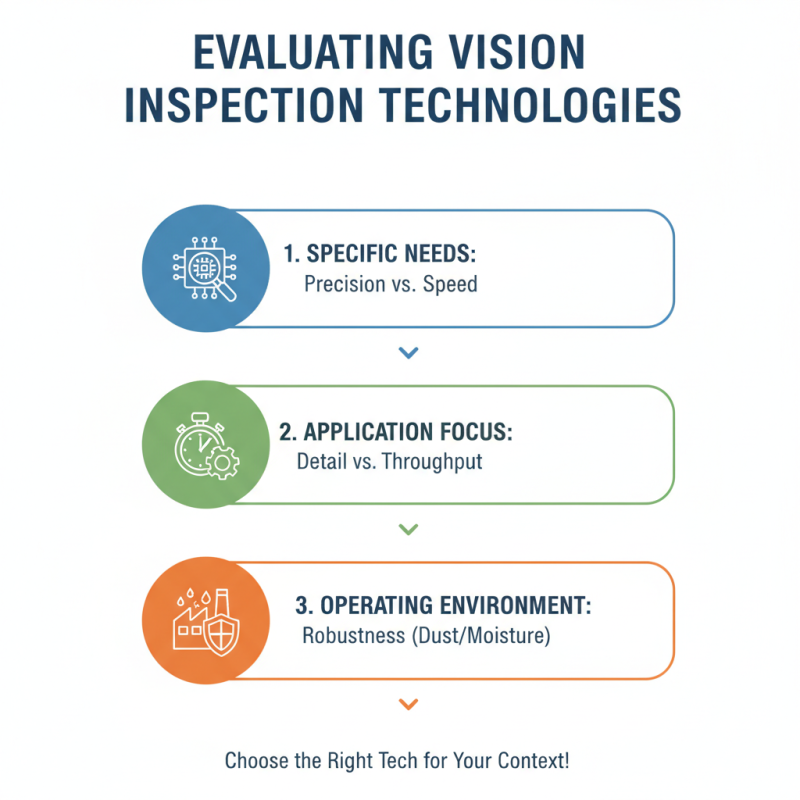
When evaluating vision inspection technologies, understanding your specific needs is crucial. Different applications may require varying levels of detail and speed. For instance, some industries emphasize precision, while others prioritize speed. Consider the environment where the system will be used. Harsh conditions may require robust technology that can withstand dust and moisture.
There are primarily two types of vision inspection systems: 2D and 3D imaging. 2D systems are often simpler and cost-effective, suitable for tasks like surface inspections or checking dimensions. However, they may miss defects that occur in the third dimension. On the other hand, 3D systems provide a comprehensive analysis of an object, capturing complex shapes and variations. This can be particularly beneficial for intricate assemblies or components.
It's also important to contemplate the integration of these systems into your current processes. Not every technology will seamlessly fit into your existing workflows. A system may be excellent on paper but challenging to implement in practice. Assess the flexibility of the technology and any potential need for operator training. Reflection on these aspects can reveal whether your choice will enhance quality control or lead to frustration.
Assessing the Cost-Effectiveness of Vision Inspection Systems
When evaluating vision inspection systems, cost-effectiveness is crucial. It’s not just about the initial investment. Maintenance costs can quickly add up. Regular calibration and software updates, for instance, may require additional resources. Assessing the total cost of ownership helps in making informed decisions.
Consider productivity gains too. A reliable vision inspection system can reduce defects. This, in turn, minimizes waste and lowers rework costs. However, if the system has a steep learning curve, employee training can become a hidden expense. Weigh the benefits against potential operational disruptions.
Analyzing case studies from similar industries aids in understanding efficiency. Look into how these systems performed in real-world settings. Comparing specific metrics can illuminate areas for improvement or efficiency gains. It's essential to recognize that not all systems will yield immediate return on investment. A thoughtful approach to selection can lead to sustainable quality control practices.
How to Choose the Best Vision Inspection Systems for Quality Control?
| Criteria |
System A |
System B |
System C |
| Initial Cost |
$15,000 |
$20,000 |
$25,000 |
| Maintenance Cost (Annual) |
$1,500 |
$2,000 |
$1,800 |
| Inspection Speed (Products/Min) |
100 |
80 |
120 |
| Accuracy (%) |
98% |
95% |
99% |
| Compatibility with Products |
High |
Medium |
High |
| Ease of Use |
User-Friendly |
Moderate |
Easy |
Implementing Vision Inspection Systems in Your Quality Control Process
Implementing vision inspection systems can significantly enhance your quality control process. These systems use advanced technology to detect defects at various production stages. They can identify issues such as color discrepancies, misalignments, or surface imperfections. This early detection helps prevent defective products from reaching consumers, thus saving costs and building brand trust.
Training staff to understand this technology is crucial. Without proper training, even the best system may underperform. Consider feedback loops between operators and engineers. Encouraging open communication can lead to system improvements. Regularly revisiting inspection parameters is essential. As products or materials evolve, so too should your inspection criteria.
Integration with existing workflows can be challenging. A phased approach may prove beneficial. Start with the most critical areas and gradually expand. This allows your team to adjust while minimizing disruptions. Continuous monitoring of the system's performance will help identify operational gaps. This reflective practice ensures that your quality control process remains effective and reliable.