How to Choose the Best Material Handling Systems for Your Business?
Choosing the right material handling systems for your business is crucial. These systems can streamline operations and improve efficiency. However, the selection process can be daunting. With various options available, each tailored to specific needs, how do you make the best choice?
Understanding your unique requirements is essential. Consider the types of materials you handle and the volume of goods processed. Think about the layout of your workspace and how it affects workflow. This reflection often reveals gaps that standard solutions might not address.
Expert consultation can provide valuable insights into your material handling needs. Industry specialists can help identify systems that align with your operations. Be open to different technologies and methodologies, but remember, not every solution fits every business. Take time to evaluate and reflect on each option before making a commitment.
Understanding Your Business Needs for Material Handling Systems
Understanding your business needs for material handling systems is crucial for efficiency. Start by assessing your current processes. Identify pain points in operations. Are there bottlenecks? What tasks consume the most time? This insight will guide your selection.
Consider the workflow and space you have. Different systems suit different setups. Conveyors may work for narrow aisles, while automated systems might be better for larger spaces. Each environment has unique challenges. Think about future growth too. Will your needs change as your business expands? Flexibility is essential.
Evaluate the types of materials you handle. Heavy items require robust equipment, while smaller products may need precision tools. Don’t overlook maintenance either. Systems can have hidden costs if they require frequent repairs. Reflect on past equipment failures. What would you improve? This can shape your decision-making.
Evaluating Different Types of Material Handling Technologies
When evaluating different types of material handling technologies, consider the specific needs of your business. Each technology has unique features that can enhance your operations. Automated systems can increase efficiency, while manual systems offer flexibility. Balancing these aspects is crucial for success.
Invest in systems that are adaptable. Your business might grow or change, and flexibility is essential. Look for solutions that can scale without large investments. Regularly assess how these systems are functioning. Reflect on their impact on productivity and employee satisfaction.
Don’t overlook employee training. Effective systems require well-trained staff. Ensure your team understands the equipment and procedures. Identify gaps in knowledge or areas for improvement. Regularly revisiting these elements can lead to better outcomes.
How to Choose the Best Material Handling Systems for Your Business?
| Material Handling Technology |
Description |
Cost Range |
Ideal Applications |
| Conveyor Systems |
Automated systems for transporting items between locations within a facility. |
$10,000 - $100,000 |
Assembly lines, warehouses, sorting facilities. |
| Forklifts |
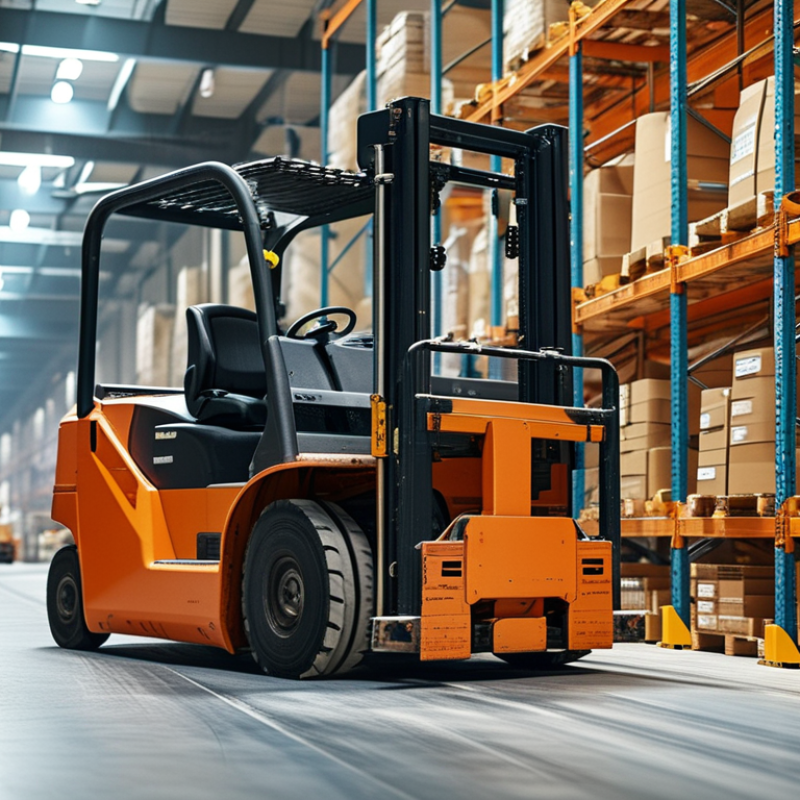
Machine for lifting and transporting materials over short distances. |
$15,000 - $75,000 |
Warehouses, distribution centers, manufacturing plants. |
| Pallet Racking |
Storage system for organizing goods on pallets for easy access. |
$500 - $2,500 per unit |
Warehouses, retail spaces, logistics centers. |
| Automated Guided Vehicles (AGVs) |
Robotic vehicles designed to transport materials without direct human intervention. |
$50,000 - $500,000 |
Production lines, large warehouses, assembly facilities. |
| Forklifts |
Machine for lifting and transporting materials over short distances. |
$15,000 - $75,000 |
Warehouses, distribution centers, manufacturing plants. |
| Automated Storage and Retrieval Systems (ASRS) |
Computer-controlled systems for automatically placing and retrieving loads. |
$100,000 - $1,000,000 |
Warehouse management, inventory control, e-commerce fulfillment. |
Considerations for Space and Layout in Material Handling Solutions
When evaluating material handling systems, space and layout are crucial. The right system can maximize efficiency and safety. However, businesses often underestimate the importance of their physical environment. A system that seems efficient on paper may fail due to inadequate space or a poor layout.
Optimizing your space starts with a thorough analysis. Measure all areas where handling occurs. Consider height, width, and traffic flow. These factors influence equipment choices. Utilize vertical space where possible; it can significantly enhance storage capabilities. In crowded environments, narrow aisles may limit movement. Reflect on how workflows interact and adjust layouts for smoother operations.
For functionality, think about dimensions and pathways. Heavy equipment requires specific clearances. Maintenance access is essential, so don't overlook service areas. Using modular systems can allow for flexibility in changing layouts in the future. Engage employees in discussions about their needs and challenges within the space. Their insights can reveal potential pitfalls.
Evaluate the specific demands of your operation. A large warehouse may benefit from automated systems, while a smaller space might better accommodate mobile solutions. Consider variations in product size and weight; flexibility in your material handling system can mitigate unforeseen challenges. Prioritize a balance between efficient use of space and the practicality of operations.
Assessing Cost vs. Efficiency in Material Handling Choices
When selecting a material handling system, businesses often face a dilemma between cost and efficiency. According to a report by the Material Handling Industry of America (MHIA), companies can save up to 30% on operational costs by optimizing their material handling processes. However, achieving such savings typically requires an upfront investment in advanced systems. Choosing the right balance can significantly impact long-term productivity.
Efficiency hinges on the system's ability to reduce handling time and minimize errors. An automated solution might come with a higher initial cost. Yet, it can boost throughput by 50% or more, as per industry studies. The long-term benefits must be weighed against these costs. For example, investing in automated guided vehicles (AGVs) can lead to faster product movement, yet the return on investment (ROI) may take several years.
It's crucial to analyze current operations critically. Organizations should ask if their existing system supports growth while remaining cost-effective. Often, businesses cling to outdated processes, leading to wasted time and resources. A thorough assessment can reveal hidden inefficiencies. Implementing updated technologies might seem daunting, but the potential for improved efficiency is significant.
Integrating Automation and Innovation in Material Handling Systems
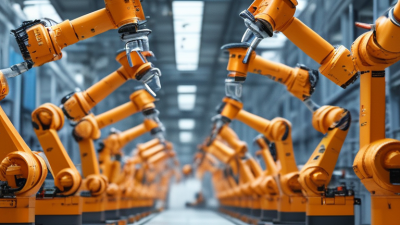
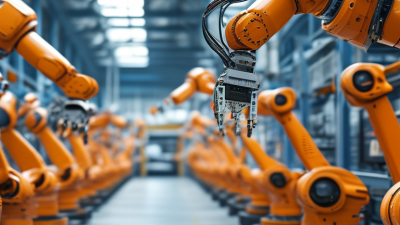
When integrating automation into material handling systems, the focus should be on efficiency and adaptability. Advanced technologies, such as robotics and automated guided vehicles, streamline processes. These innovations reduce manual errors and boost productivity. However, organizations must assess their specific needs before implementation. Not every automated solution fits every business model.
Innovation is not only about technology. It involves rethinking current workflows to maximize output. Continuous evaluation is vital. Employees play a crucial role in this transition. They may resist changes due to unfamiliarity with new systems. Addressing their concerns is necessary for smooth integration. Open communication fosters understanding and reduces resistance.
The selection of a material handling system requires a balance between high-tech solutions and human elements. Automated systems can enhance efficiency, but integrating them poorly can lead to chaos. Regular feedback from staff can provide insights into what works and what doesn’t. Adapting technologies based on real-world challenges is key to success.