How to Choose the Best Mining Excavator for Your Needs?
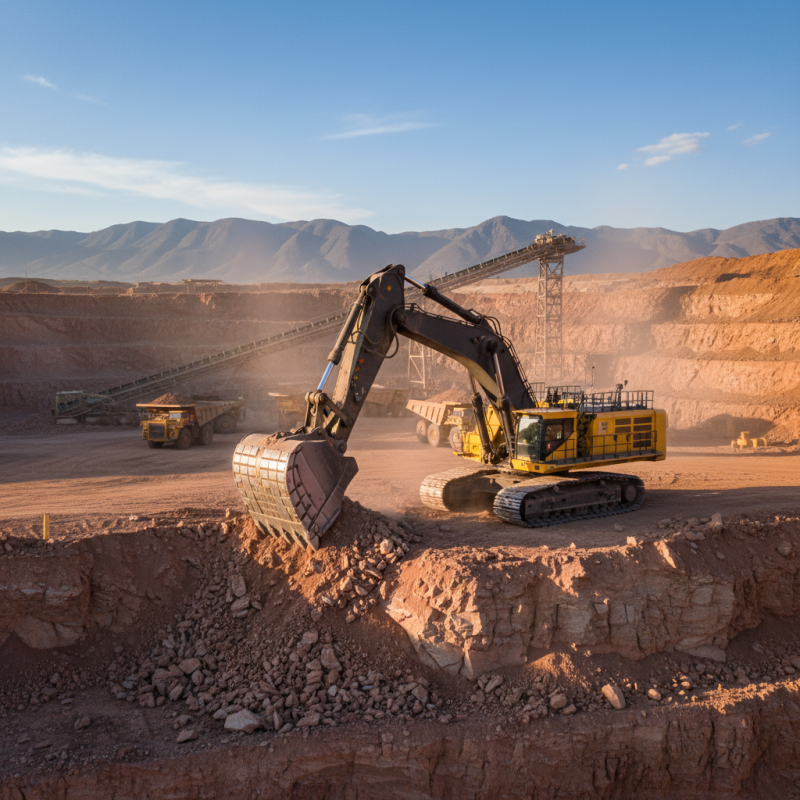
Choosing the right Mining excavator is crucial for success in the mining industry. The demands of various projects require different types of machinery. A mining excavator must match your specific needs. Consider factors such as the size of the project, the terrain, and the materials being excavated.
The efficiency and effectiveness of a mining excavator can impact your operations significantly. It is essential to look for features that enhance performance. These may include hydraulic systems, bucket design, and operating capacity. You might also want to factor in the operator's comfort and safety features.
Research and professional advice can help you make informed decisions. However, it's important to reflect on the suitability of recommendations. No single excavator is perfect for every situation. Understanding your unique requirements is key. Being aware of common pitfalls can save time and resources.
Factors to Consider When Selecting a Mining Excavator
Choosing the right mining excavator involves several key factors. A thorough understanding of your operational requirements is essential. Determine the type of materials you'll be digging. Different excavators excel in various conditions.
Payload capacity matters significantly. Assess the weight and volume of the materials to ensure the machine can handle your needs. Size and maneuverability are also critical. A larger excavator might be powerful, but it may struggle in tight spaces. Conversely, a smaller model could be inefficient for large tasks.
Fuel efficiency is another important consideration. A machine that consumes less fuel can save you money over time. Evaluate maintenance needs too. Some excavators require more upkeep, which can affect overall costs and downtime. Always consider the training required for operators. The right operator can maximize the excavator's potential, while an inexperienced one may lead to inefficiencies. Balancing these factors will guide you to the best excavator for your mining operations.
Types of Mining Excavators and Their Applications
When selecting a mining excavator, understanding the types available is essential. There are generally three main categories: hydraulic, cable-operated, and dragline excavators. Hydraulic excavators are versatile. They work efficiently in various terrains. However, they might struggle in extremely rugged landscapes.
Cable-operated excavators excel in tough environments. They use ropes and pulleys, making them suitable for steep sites. Yet, they can be limited by their operating range. Dragline excavators are powerful. They are ideal for large-scale operations like strip mining. The downside? They require ample space and often have higher initial costs.
It's crucial to assess the specific needs of your mining operation. Consider the terrain, material type, and operational scale. Properly matching these variables with the right excavator type can improve efficiency. Yet, you may face challenges in locating the perfect balance. Constant evaluation and adjustments may be necessary as projects evolve. Always seek expert advice tailored to your unique circumstances.
How to Choose the Best Mining Excavator for Your Needs?
This chart illustrates the applications of different types of mining excavators measured in thousands of units. Understanding these types can help you choose the best excavator for your mining needs.
Key Specifications to Evaluate in Excavator Models
When selecting a mining excavator, it's crucial to focus on key specifications. Start with the operating weight. This shows how much the excavator can lift. A heavier machine typically offers more power. However, too much weight can limit mobility. Consider your worksite conditions; a balance is essential.
Next, evaluate the bucket capacity. This determines how much material you can move at once. Larger buckets can enhance productivity, but they may strain some machines. Think about the types of materials you'll be handling. A versatile bucket ensures you can adapt to varying workloads efficiently.
Additionally, look at engine power and hydraulic performance. A robust engine provides reliable output. It affects how fast the excavator can operate. Good hydraulic systems offer precise control of the machine. This is crucial for intricate projects. Reflect on your specific needs and think about how often you might need to adapt your equipment.
Budgeting for Your Mining Excavator Purchase
When planning to purchase a mining excavator, budgeting is essential. Understand the costs involved beyond the initial purchase price. Explore expenses like maintenance, fuel, and operator training. These costs can add up quickly. Many overlook these factors, leading to financial strain. Set a comprehensive budget to avoid unintended pitfalls.
Consider the features you need in an excavator. Larger machinery often comes with a higher price tag but can increase productivity. Factors such as operating weight and hydraulic power play crucial roles in functionality. Make a list of your requirements and prioritize them. This will clarify which features are worth the extra investment.
Assess financing options. Whether leasing or buying, each method has its pros and cons. Leasing might offer lower upfront costs, but owning can save money long-term. Analyze your financial situation carefully. Reflect on your operational needs and how they align with your budget. Flexibility may allow you to make smarter choices.
Maintenance and Support Services for Excavators
When selecting a mining excavator, maintenance and support services should be at the forefront. Excavators require regular upkeep to ensure efficient performance. According to the International Journal of Mining Engineering, proper maintenance can extend equipment lifespan by up to 30%. Scheduled servicing minimizes unexpected breakdowns, which can halt projects and incur significant costs.
Operators must prioritize reliable support services. Not all service providers offer the same level of expertise. A survey by the Mining Equipment Research Institute revealed that equipment downtime can lead to losses of approximately $500,000 per month. Thus, having access to quality repair services is essential. Trained technicians can diagnose issues quickly and reduce the time equipment is out of operation.
Inadequate maintenance strategies can result in catastrophic failures. A study by the Society for Mining, Metallurgy, and Exploration highlighted that 25% of accidents stem from equipment malfunctions. It’s vital to choose an excavator backed by a manufacturer or a service provider that emphasizes both regular maintenance and urgent support. Secure a partner that values proactive service, ensuring your operations run smoothly and safely.